Brand systems
Identity built as a set of rules rather than a set of pictures, so it survives contact with people who were not in the room.
- Positioning
- Naming
- Identity
- Guidelines
Brand and product systems, London
A brand and product practice for organisations that have outgrown improvisation. What we hand over is a set of rules — a palette that derives itself, a scale that holds, and components that survive the people who were not in the room.
 Latest
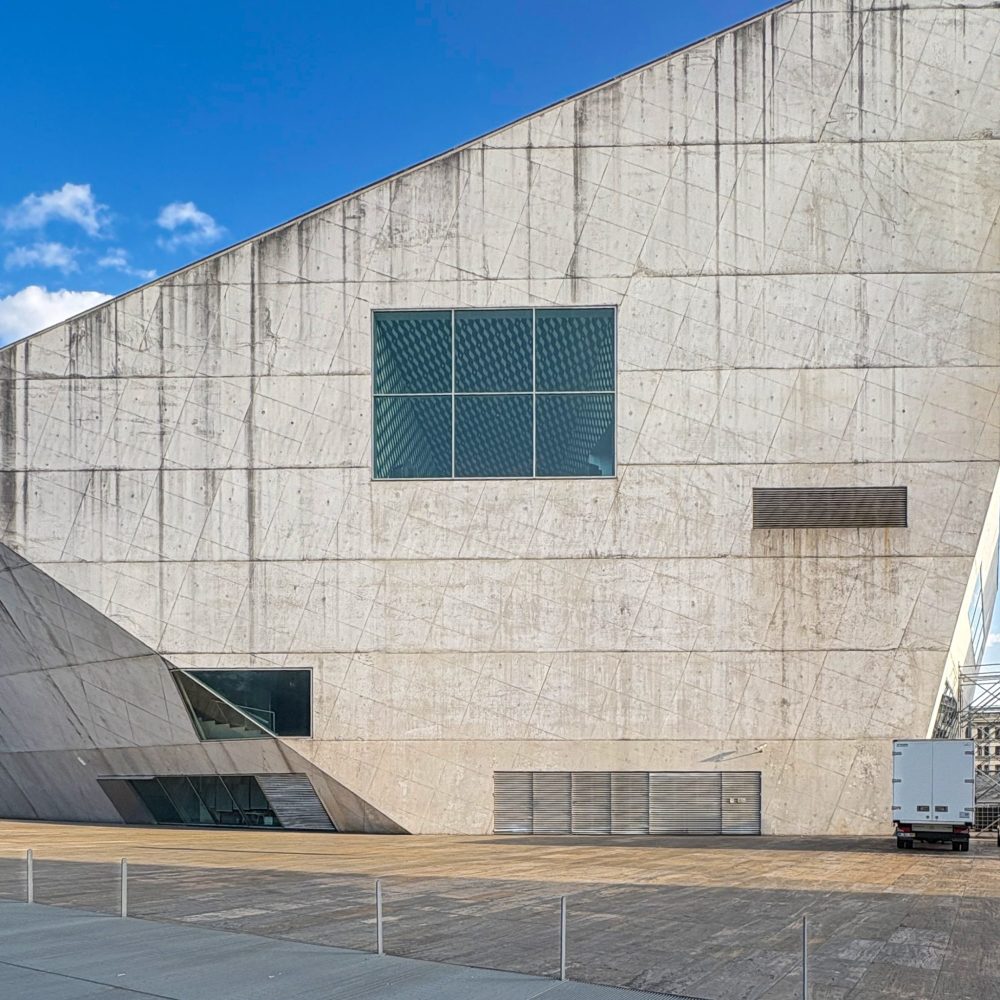
19 stations, 1 spec sheet
Read the case study →Capabilities
A practice narrow enough to be good at what it does, and broad enough that the work does not stop at the handover.
Identity built as a set of rules rather than a set of pictures, so it survives contact with people who were not in the room.
Interface work that starts from the data model and the failure states, not from the happy path on a big screen.
Sites that a marketing team can actually run afterwards, written in the browser rather than approved as flat images.
The unglamorous half: tokens, naming, review, and the documentation that stops a system rotting in eighteen months.
Selected work
Nineteen stations, three contractors and a sign shop that needed values it could cut vinyl from.

The tokens were bought for a brochure site and ended up running the account dashboard.

Sand casting for the rail and marine trades, sold almost entirely on the phone. The website had to earn the first call.
A wholesaler moving into own-brand, with a range that had to expand without a redesign every quarter.
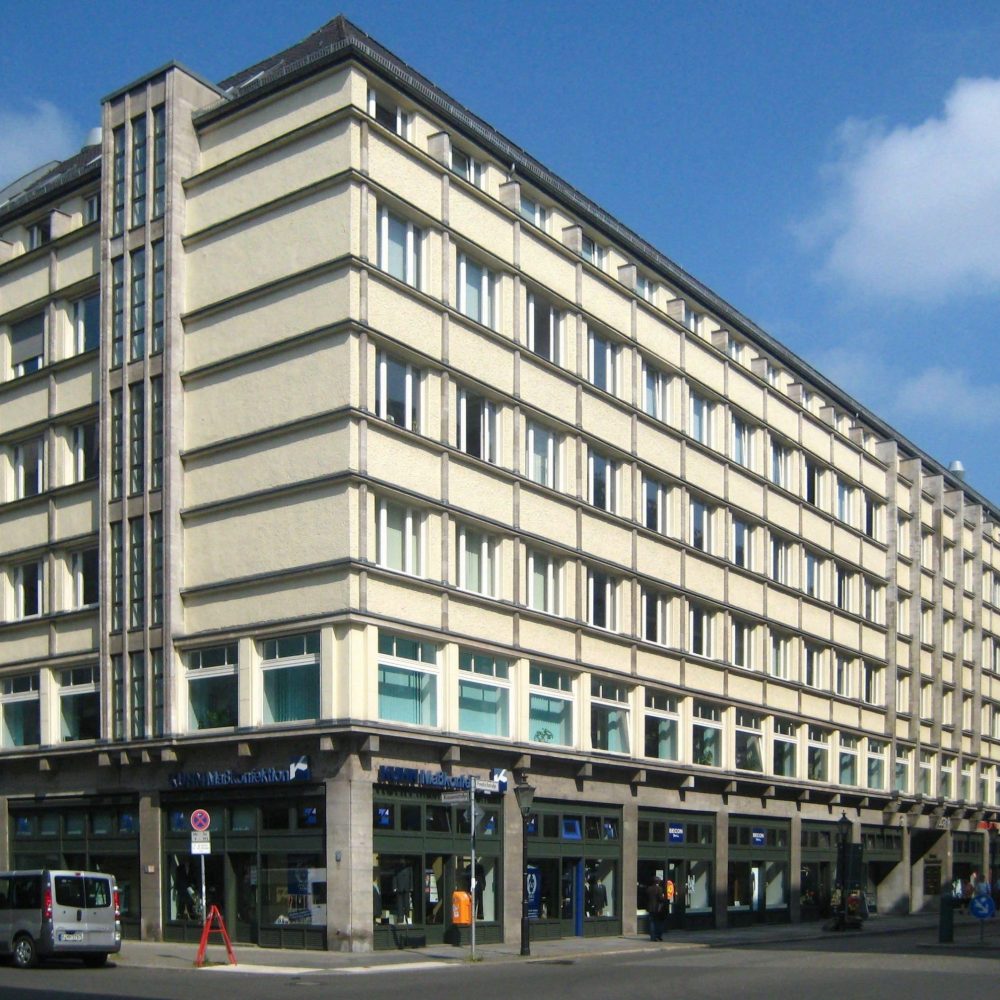
A litigation practice with a 240-page brand manual and a website that matched none of it.
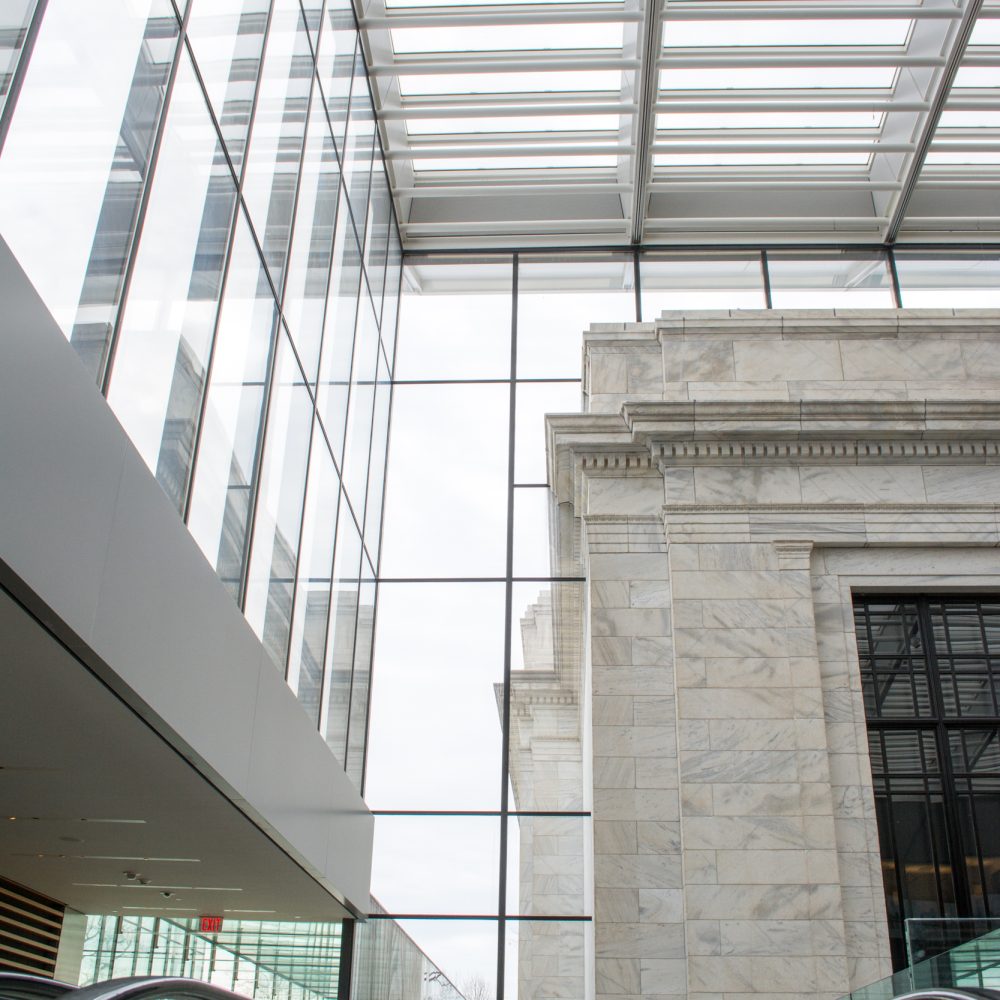
Eleven sub-brands, four languages and a print estate nobody had audited since 2014, rebuilt as a single derived palette.
By the numbers
We have turned down more work than we have taken since 2021. These are the numbers that explain why.
People in the practice. Everyone bills; nobody only sells.
Engagements delivered since 2016, across six sectors.
Of last year’s revenue came from clients we had already worked with.
Engagements running at once. It is a ceiling, not a target.
Method
Most design debt is accumulated one reasonable exception at a time. The way out is to make the exception harder to write than the rule.
Two weeks with the people who will run the thing after we leave. We come out with the five values and a written reason for each — not a moodboard.
The palette is generated from one hue in a perceptual colour space, so every tint has the same lightness relationship no matter which hue you started from. Nobody picks a grey.
Components are built to ask their own container how wide they are, so the same card works in a three-up grid, a sidebar and a phone without a second set of rules.
The tokens end up in the CMS, where a marketing lead can move them without opening a code editor or booking us for a day.
Sectors
Six industries we know well enough to disagree with you in.
The method does not change between them. What changes is who has to live with the result, and that is the part we scope around.
Retail savings, lending and the compliance layer around both.
1 case study → 02Producers, wholesalers and the brands sitting on top of them.
1 case study → 03Clinics, insurers and the public bodies that fund them.
1 case study → 04Manufacturing, energy and the long tail of businesses that make physical things.
1 case study → 05Chambers, in-house teams and the regulated end of advisory work.
1 case study → 06Operators, infrastructure owners and the people who have to read the signs.
1 case study →In their words
“Two years on we have changed the palette twice and the sub-brand three times. We have never once had to reopen the CSS.”
“Our compliance team signs off on colour contrast now instead of arguing about it. The ramp is generated, so there is nothing to argue with.”
“We bought it as a marketing site and ended up using the tokens in the product. That was not the plan and it is the best thing about it.”
Engagements
Fixed scope, fixed price, and a written note on what is deliberately not included.
£4,800Two weeks
£22,000Six to eight weeks
£3,400Per month, rolling
Questions
Journal

A pure neutral is the one colour on a page that tells the reader nobody chose it.

One number decides whether a page reads as a prospectus, a product or a menu.

A card should ask how wide it is, not how wide the window is.
Next
Most engagements start with a ninety-minute call and a one-page note back. No deck, no discovery invoice.